Home / Mammals / Rodents / Chinese hamster
No federal permit to keepChinese hamster
Cricetulus griseus
Mammals › Rodents (Rodentia) › Cricetidae (Hamsters, voles, American mice)
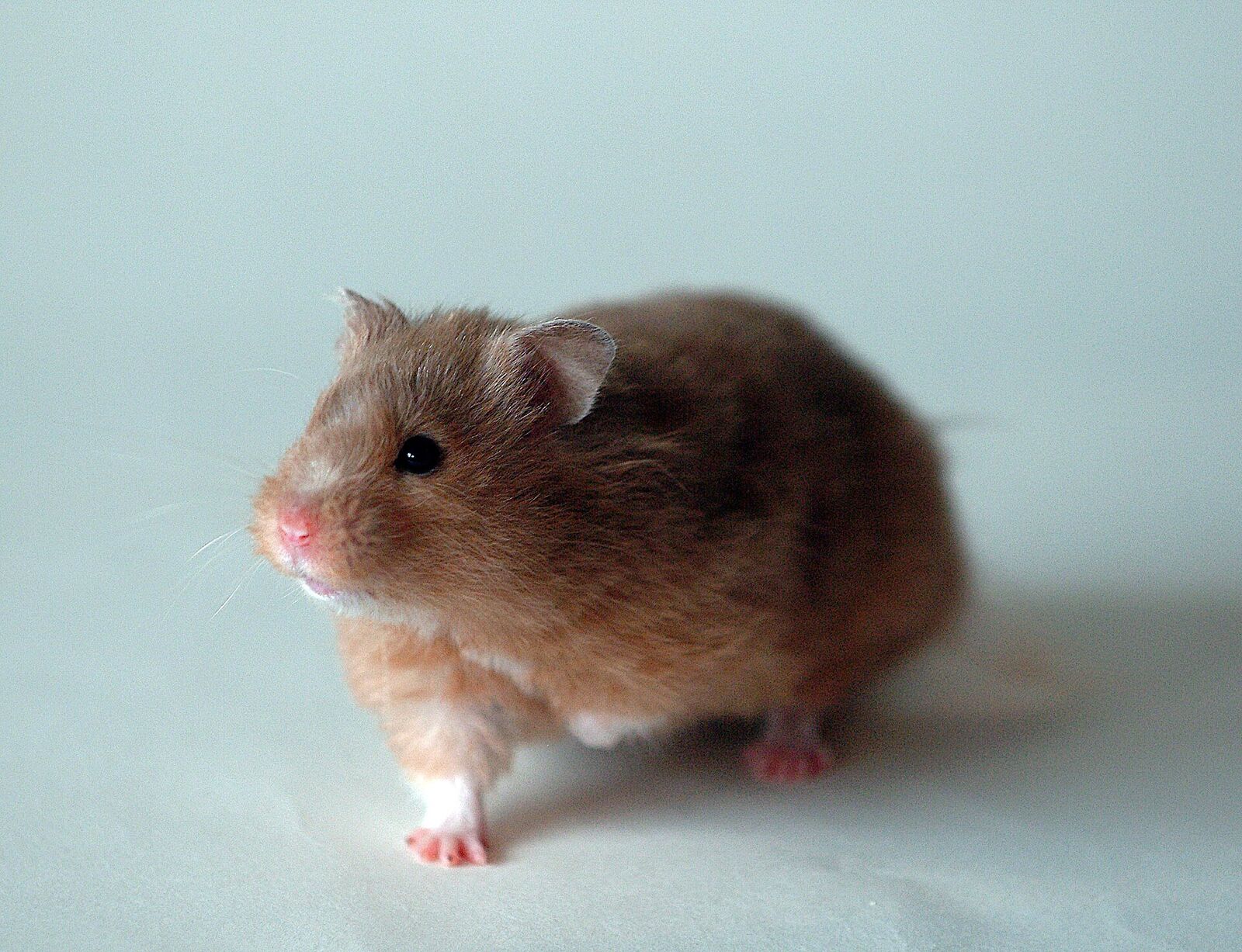
The Chinese hamster (Cricetulus griseus or Cricetulus barabensis griseus) is a rodent in the genus Cricetulus of the subfamily Cricetidae that originated in the deserts of northern China and Mongolia.

Care at a glance
Species-specific values
Values researched for this exact species. Where they differ from the group guide below, follow these. Air, surface and water temperatures are listed separately, and each source is kept as published rather than averaged.
| Enclosure minimum | length: 100 cm; width: 50 cm; height: 50 cm Blue Cross pet-hamster recommendation | 292 |
| Substrate depth minimum | 20 cm | 292 |
| Social | Individual housing recommended. | 292 |
Care guide
Hamsters, voles and New World mice
Applies to most species in this group. Habitat: Steppe, grassland and fields. Individual species can differ, so compare with the species numbers above and the linked sources.
Housing & setup
- For common pet hamsters, Blue Cross recommends 100×50×50 cm or larger, with at least 20 cm of burrowing bedding and a solid wheel.
Diet
- Hamster pellets or mix plus vegetables; occasional protein.
Social life
- House common pet hamsters individually; other voles and New World mice need their own species guidance.
Health watch
- For pet hamsters, Blue Cross recommends individual housing, including dwarf hamsters; companionship is not worth a fighting risk.
- Wet tail (diarrhea) in young hamsters is an emergency.
Understanding the animal
About this animal
About this animal
They are distinguished by an uncommonly long tail in comparison to other hamsters, most of whose tails are stubby. Chinese hamsters are primarily nocturnal; however, they will stay awake for brief periods, in between naps, throughout the day.
Quoted from the Wikipedia article “Chinese hamster” (CC BY-SA 4.0) 174
In the wild
In the wild
Quoted from the matching sections of reputable sources for this exact species. Specialist databases are used first; Wikipedia (community-edited, CC BY-SA 4.0) only fills gaps. Other sources are short credited quotes.
| Overview | The Chinese hamster (Cricetulus griseus or Cricetulus barabensis griseus) is a rodent in the genus Cricetulus of the subfamily Cricetidae that originated in the deserts of northern China and Mongolia. They are distinguished by an uncommonly long tail in comparison to other hamsters, most of whose tails are stubby. Chinese hamsters are primarily nocturnal; however, they will stay awake for brief periods, in between naps, throughout the day. — Wikipedia (community-edited) |
| Appearance and size | Chinese hamsters grow to between 82 and 127 mm in body length (tail length 20–33 mm) and weigh 1.7 grams at birth, then as they get older can weigh 30–45 grams. Males have a fairly large scrotum relative to their body size. Their body proportions, compared to other hamster species – most of which tend to be compact – appear "long and thin" and they have (for a hamster) a relatively long tail. — Wikipedia (community-edited) |
| History and naming | The taxonomic names of the Chinese hamster and the closely related Chinese striped hamster are unsettled. Some authorities consider the Chinese hamster (C. griseus) and the Chinese striped hamster (C. barabensis) different species, whereas others classify them as subspecies, in which case the Latin name of the Chinese hamster becomes C. b. griseus, and the Chinese striped hamster becomes C. b. barabensis. — Wikipedia (community-edited) |
Profile
Profile
Researched for this exact species. Sources are listed under In the wild above.
History
The taxonomic names of the Chinese hamster and the closely related Chinese striped hamster are unsettled. Some authorities consider the Chinese hamster (C. griseus) and the Chinese striped hamster (C. barabensis) different species, whereas others classify them as subspecies, in which case the Latin name of the Chinese hamster becomes C. b. griseus, and the Chinese striped hamster becomes C. b. barabensis.
Data and studies
The numbers
The numbers
Each bar is what one source reports. Where several sources weigh in, the dashed gold band marks their average.
Maximum recorded lifespan
Longest recorded lifespan reported by each database; typical lifespans are usually shorter. The AnAge record comes from an animal in human care.
Veterinary & husbandry research
Veterinary & husbandry research
- Establishment of a Chinese hamster breeding colony Calland CJ et al., Laboratory animal science 1986
Peer-reviewed papers that mention this species alongside captivity, zoos, veterinary care or aquaculture. Some cover several species or mention it only in passing, so check the abstract. 170
Sources for this sheet
- AnAge: The Animal Ageing and Longevity Database (Human Ageing Genomic Resources) Peer-reviewed researchCurated, referenced longevity and life-history records for thousands of species; maximum lifespans are often from zoo animals.
- Myhrvold et al. (2015). An amniote life-history database. Ecology 96: 3109 Peer-reviewed researchPeer-reviewed compilation of life-history data for over 21,000 birds, mammals and reptiles.
- 9 CFR 2.1: Animal Welfare Act licensing (USDA) Zoo, university or veterinaryWho needs a USDA license to breed, sell or exhibit animals.
- Merck Veterinary Manual: Hamsters Zoo, university or veterinaryThe Merck Veterinary Manual: a standard veterinary reference written and reviewed by veterinary specialists.
- Royal Veterinary College Exotics Service: Hamster care Zoo, university or veterinaryVet-school exotics hospital factsheet, reviewed 2021–2024.
- Blue Cross: Choosing the Right Small Pet Experienced keeper or breederAdded in the 2026 source-checked care-guide review.
- GBIF Backbone Taxonomy (Global Biodiversity Information Facility) Peer-reviewed researchInternational scientific taxonomy used here for classification.
- Wikipedia (species article) Community referenceFree encyclopedia; useful overviews with their own citations. Intro text is quoted under CC BY-SA 4.0.
- PubMed (U.S. National Library of Medicine) Peer-reviewed researchIndex of peer-reviewed veterinary, zoo and husbandry research.
More hamsters, voles, american mice
 In-depth
Golden (Syrian) hamster
Mesocricetus auratus
Small, nocturnal and fiercely independent.
Pet trade

Campbell's dwarf hamster
Phodopus campbelli
Pet trade

Roborovski dwarf hamster
Phodopus roborovskii
Pet trade

Winter white dwarf hamster
Phodopus sungorus
Pet trade