Home / Amphibians / Axolotls and mole salamanders / Lake Patzcuaro salamander
Federal restrictions applyLake Patzcuaro salamander
Ambystoma dumerilii
Amphibians › Axolotls and mole salamanders (Caudata) › Ambystomatidae (Axolotls and mole salamanders)
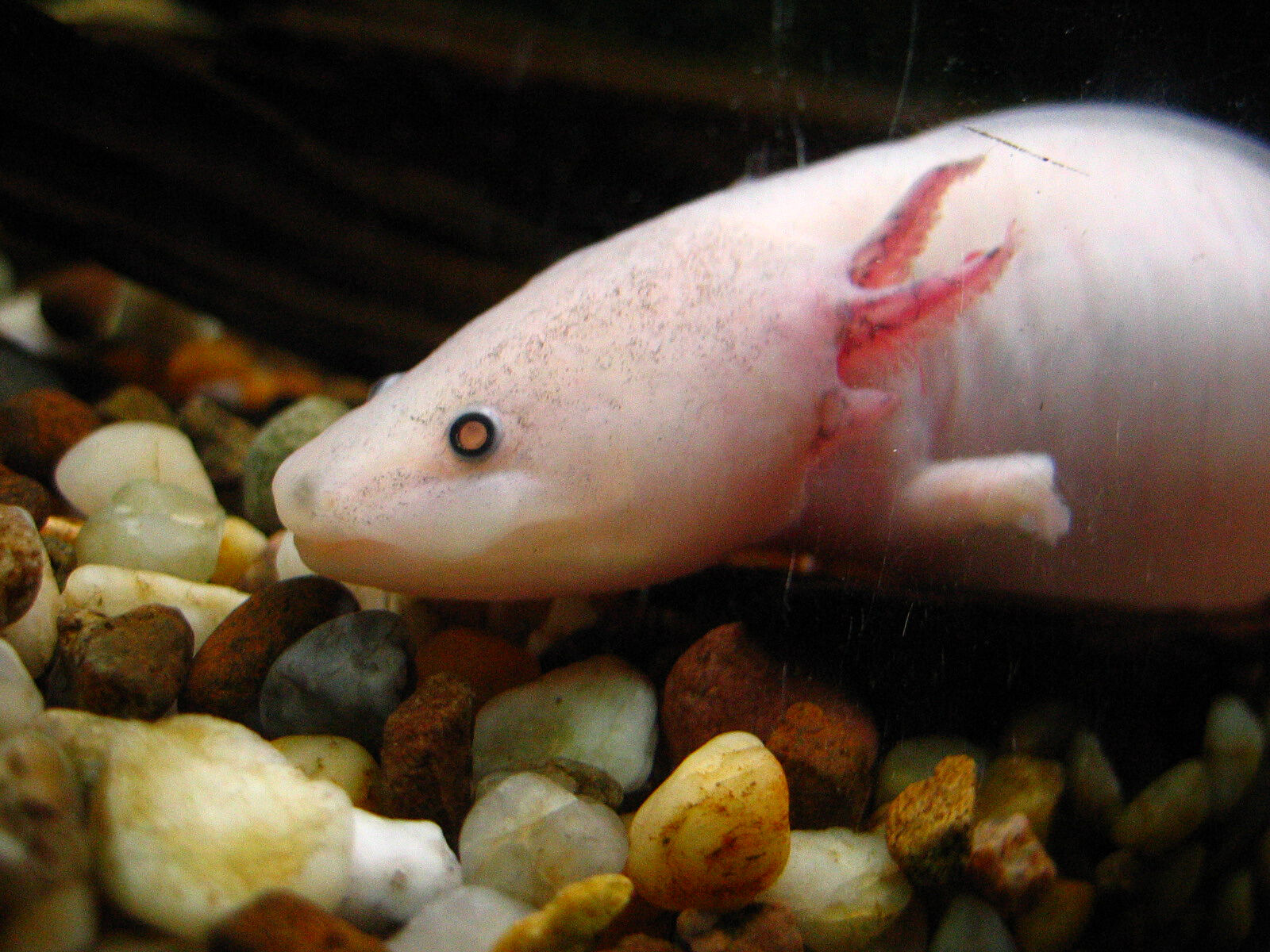
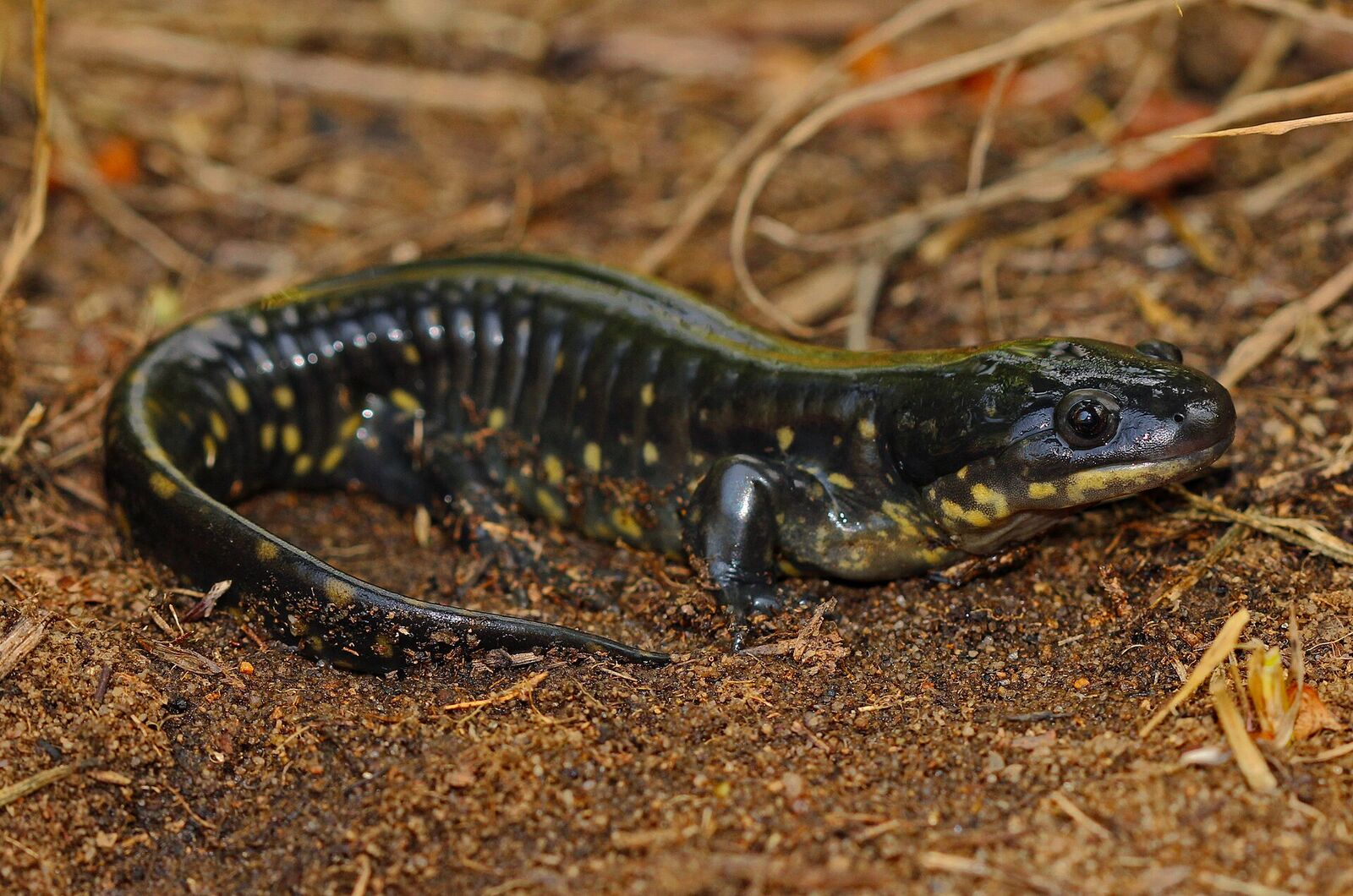
The Lake Patzcuaro salamander, locally known as achoque (Ambystoma dumerilii), is a paedomorphic species of salamander found exclusively in Lake Pátzcuaro, a high-altitude lake in the Mexican state of Michoacán.

Care at a glance
Species-specific values
Values researched for this exact species. Where they differ from the group guide below, follow these. Air, surface and water temperatures are listed separately, and each source is kept as published rather than averaged.
| Water temperature | max exclusive: 64 °F (18 °C) EAZA routine cool-water recommendation; no prolonged exposure above 20 C. | 233 |
| Tank dimensions example | length: 110 cm; width: 60 cm; height: 40 cm Chester Zoo setup for up to four; example, not a universal minimum. | 233 |
| Habitat setup | Fully aquatic aquarium; ordinary neotenic adults do not need terrestrial floor space. | 233 |
| Social needs | Avoid mixed-species enclosures; provide refuges and feeding space. | 233 |
Warnings
Care guide
Aquatic neotenic mole salamanders
Applies to most species in this group. Habitat: Aquatic Lake Pátzcuaro salamander from a Mexican highland lake. [eaza-dumerilii]. Individual species can differ, so compare with the species numbers above and the linked sources.
Housing & setup
- Maximize aquarium floor area; water must exceed the longest animal’s total length. Provide stable, smooth refuges and dim cover.
- Condition hard, alkaline water; establish biological filtration and monitor chemistry. Use small, frequent, parameter-matched water changes.
Sources 233
Climate & lighting
| Water | 60.8–64.4°F |
- UVB: EAZA reports multigeneration success without UVB but suggests optional measured access below UVI 2, with shade; the requirement remains uncertain.
Sources 233
Diet
- Larvae need size-appropriate live aquatic invertebrates; adults accept earthworms, crustaceans and formulated axolotl pellets.
Sources 233
Social life
- No defined social structure; manage size and feeding to prevent larval cannibalism.
Sources 233
Handling
- Transfer in water-filled containers rather than abrasive nets; minimize restraint.
Sources 233
Health watch
- Gill fungus, edema or metamorphic changes require specialist assessment.
Sources 233
Understanding the animal
About this animal
About this animal
First described in 1870 by Alfredo Dugès, the species is named in honor of the French herpetologist Auguste Duméril. However, the salamander has been used as a food source and an ingredient in traditional medicines by the Purépecha people since the Pre-Columbian era.
Quoted from the Wikipedia article “Lake Patzcuaro salamander” (CC BY-SA 4.0) 174
In the wild
In the wild
Quoted from the matching sections of reputable sources for this exact species. Specialist databases are used first; Wikipedia (community-edited, CC BY-SA 4.0) only fills gaps. Other sources are short credited quotes.
| Overview | The Lake Patzcuaro salamander, locally known as achoque (Ambystoma dumerilii), is a paedomorphic species of salamander found exclusively in Lake Pátzcuaro, a high-altitude lake in the Mexican state of Michoacán. First described in 1870 by Alfredo Dugès, the species is named in honor of the French herpetologist Auguste Duméril. However, the salamander has been used as a food source and an ingredient in traditional medicines by the Purépecha people since the Pre-Columbian era. Ambystoma dumerilii are neotenic, meaning they retain their larval characteristics throughout their entire life. — Wikipedia (community-edited) |
| Appearance and size | Ambystoma dumerilii are large, ectothermic salamanders; adult specimen have a snout to vent length of 12.2 cm and a size range of 12.8 cm to 28.2 cm. Males and females are identical lengths. Some adults have been observed growing over 35 cm in length; this places achoques as one of the largest species in their genus. — Wikipedia (community-edited) |
| History and naming | Ambystoma dumerilii is a species of mole salamander located in the suborder Salamandroidea, also known as advanced salamanders. The species was first described in 1870 by Alfredo Dugès, who described the species as Siredon dumerilii. The species epithet "dumerilii" is in honor of the French herpetologist Auguste Duméril. — Wikipedia (community-edited) |
Profile
Profile
Researched for this exact species. Sources are listed under In the wild above.
History
Ambystoma dumerilii is a species of mole salamander located in the suborder Salamandroidea, also known as advanced salamanders. The species was first described in 1870 by Alfredo Dugès, who described the species as Siredon dumerilii. The species epithet "dumerilii" is in honor of the French herpetologist Auguste Duméril.
Sources for this sheet
- 50 CFR Part 16: Injurious wildlife (Lacey Act) Zoo, university or veterinaryCurrent federal regulation, read from eCFR.
- U.S. Association of Reptile Keepers v. Zinke (D.C. Cir. 2017) Zoo, university or veterinaryAppeals ruling that the Lacey Act's shipping ban does not cover moves between the continental states.
- Species+ (UNEP-WCMC and the CITES Secretariat) Zoo, university or veterinaryThe official database of species listed under CITES.
- USFWS International Affairs: CITES Zoo, university or veterinaryFederal agency that issues CITES permits.
- Bland et al. (2021): EAZA Best Practice Guidelines for the Lake Pátzcuaro Salamander Zoo, university or veterinaryAdded in the 2026 source-checked care-guide review.
- AmphibiaWeb (University of California, Berkeley) Peer-reviewed researchUniversity-hosted database of amphibian biology and conservation.
- GBIF Backbone Taxonomy (Global Biodiversity Information Facility) Peer-reviewed researchInternational scientific taxonomy used here for classification.
- Wikipedia (species article) Community referenceFree encyclopedia; useful overviews with their own citations. Intro text is quoted under CC BY-SA 4.0.
- iNaturalist (captive observations) Community referenceCommunity observation platform run by the California Academy of Sciences and National Geographic; observations marked captive show animals living in homes, zoos and aquariums.